A $100,000 grant from the Anna Fuller Foundation is supporting new cancer immunotherapy research led by Jeniffer Hernandez, associate professor of immunology at Keck Graduate Institute (KGI). The two-year award funds a project that asks a deceptively simple question with far-reaching implications: can tweaking a single immune signaling pathway change how the body responds to cancer?
Hernandez’s work centers on T helper 17 (Th17) cells, a subset of immune cells known for their paradoxical behavior. In some cancers, including ovarian and colorectal cancer, Th17 cells are elevated and associated with inflammation that can support tumor growth. In others, such as melanoma and lung cancer, they appear to play a protective, anti-tumor role. Understanding what drives these opposing effects is one of the central challenges in cancer immunology.
From Autoimmune Disease to Cancer
Hernandez’s work in cancer builds on years of research focused on Th17 cells in a different context: autoimmune disease, particularly multiple sclerosis. That earlier work laid the groundwork for the current project.
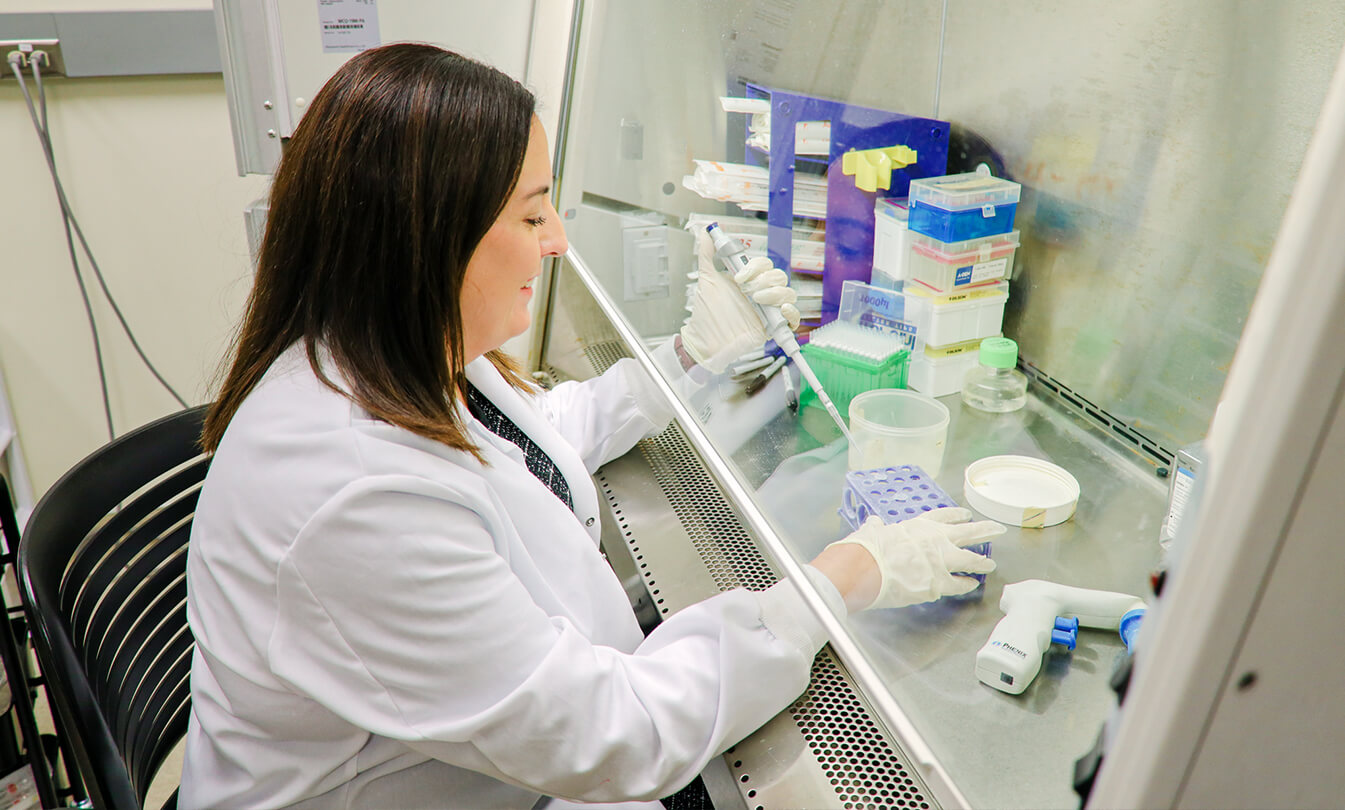
Through those studies, Hernandez identified a family of immune receptors that appear to play a critical role in shaping Th17 cell behavior. One of them, a G protein–coupled receptor known as GPR171, stood out. Her lab found that GPR171 is expressed at much higher levels in Th17 cells than in other related immune cells, suggesting it may act as a kind of control switch.
“That observation made us ask whether manipulating this receptor could push Th17 cells in one direction or another,” Hernandez said.
A Molecular Switch Under the Microscope
The Anna Fuller Foundation grant supports an in-depth investigation of how GPR171 signaling influences Th17 cells and, by extension, tumor growth. The project is organized around three interconnected aims.
First, Hernandez’s team will study how activating or blocking GPR171 alters what happens inside Th17 cells. Using two small molecules, one that activates the receptor and another that inhibits it, the researchers will track changes in gene expression, inflammatory signaling, and overall cell behavior as Th17 cells develop in the lab.
“By turning the receptor on or off as we generate Th17 cells, we can see whether their activity increases or decreases, and how that shift changes the signals they produce,” Hernandez said.
Testing the Impact in Living Systems
The second phase of the project moves into animal models of cancer. Hernandez’s group will test how modulating GPR171 affects tumor growth in mouse models enriched for Th17 cells, with an initial focus on ovarian cancer.
By measuring both tumor burden and immune cell activity, the team hopes to clarify whether altering this pathway can shift the immune response toward suppressing cancer rather than supporting it.
“At the most fundamental level, we’re asking whether manipulating Th17 cells improves cancer outcomes,” Hernandez said.
The third aim reflects a broader shift in biomedical research toward models that more closely resemble human disease. The project will support the development of a human tumor organoid–Th17 co-culture system.
Tumor organoids are three-dimensional models grown from human cancer cells that retain many features of real tumors, including aspects of their microenvironment. By combining these organoids with human Th17 cells, Hernandez’s team can observe immune–tumor interactions outside the body while preserving key elements of human biology.
“There’s increasing pressure to move beyond animal-only studies,” Hernandez said. “Organoid systems allow us to study human tumors in a way that’s both relevant and experimentally controlled.”
Training the Next Generation of Researchers
Student involvement is woven throughout the project. Master’s students from KGI and undergraduates from the Claremont Colleges will participate in experimental design, data collection, and analysis. Caitlyn Ybanez ’26, an experienced research assistant who has worked extensively with Hernandez on past projects, will help oversee day-to-day lab work.
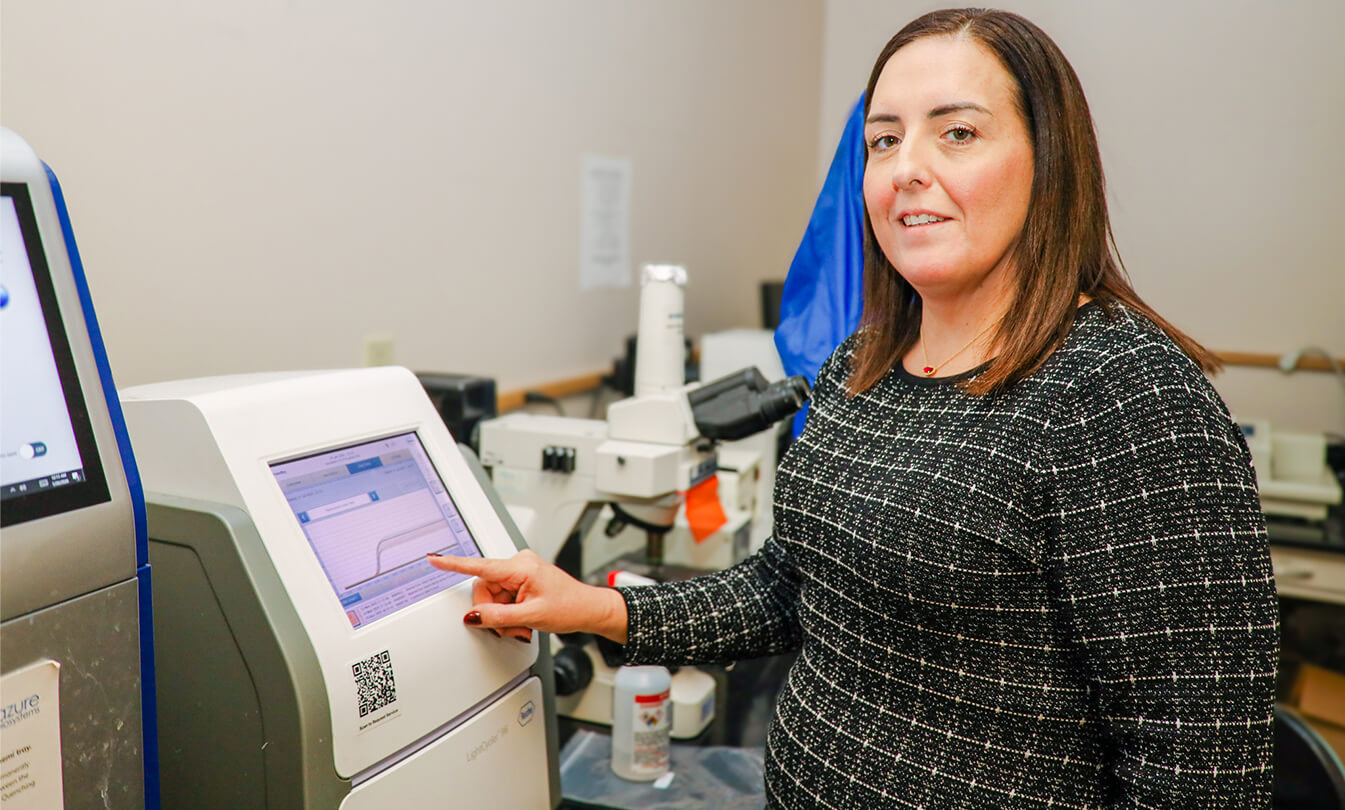
Hernandez has a long history of mentoring students who go on to doctoral programs, postdoctoral training, and careers in biomedical research. For her, education and discovery are inseparable.
“Last May, I ran into former students at the American Association of Immunologists conference,” she said. “I remember attending that conference myself as a graduate student, and now I’m serving on the Minority Affairs Committee. Seeing my students there felt like a full-circle moment.”
Laying the Groundwork for What Comes Next
Beyond its immediate aims, the Anna Fuller Foundation grant positions the project for future growth. Hernandez plans to use the findings to pursue larger federal grants and collaborations with researchers specializing in tumor immunology and organoid modeling.
“This award gives us the chance to build a strong foundation,” she said. “If we can understand how GPR171 shapes Th17 cell function, it could open new ways to tailor immunotherapies to different types of cancer.”
With support from the Anna Fuller Foundation, Hernandez’s research reflects KGI’s commitment to translational science that connects fundamental discovery, training the next generation of scientists, and the pursuit of more effective approaches to human health.