At first glance, the word “rare” suggests something uncommon, distant, or unlikely to touch most lives. Applied to disease, it can imply a condition affecting only a handful of families — too small, perhaps, to command widespread attention.
Yet while each individual condition may affect only a small population, collectively rare diseases impact an estimated one in ten people over the course of a lifetime.
At Keck Graduate Institute, that reality has long shaped research, education, and student engagement. Now, a $1 million gift from the estate of Robert and Bette Finnigan will deepen that commitment for years to come.
The endowed fund will generate annual support for faculty research, graduate student stipends, equipment, infrastructure, and student initiatives aligned with KGI’s rare disease mission. Unlike a one-time grant, the endowment is designed to sustain discovery over the long term.
An additional $50,000 donor gift will establish a companion endowment, further strengthening resources dedicated to rare disease innovation.
A Life Shaped by Scientific Breakthroughs
Robert “Bob” Finnigan, who passed away in 2022 at age 95, was a pioneering engineer and entrepreneur whose work transformed analytical chemistry. After serving in the U.S. Air Force and earning his doctorate, he co-founded the Finnigan Corporation and helped commercialize the quadrupole mass spectrometer, a technology that became foundational in environmental testing, biomedical research, and drug development.
Finnigan also experienced the impact of biomedical innovation personally. He survived non-Hodgkin lymphoma after receiving rituximab, one of the earliest monoclonal antibody therapies developed at Stanford. Grateful for the research that extended his life, he and his wife Bette became committed supporters of scientific discovery.
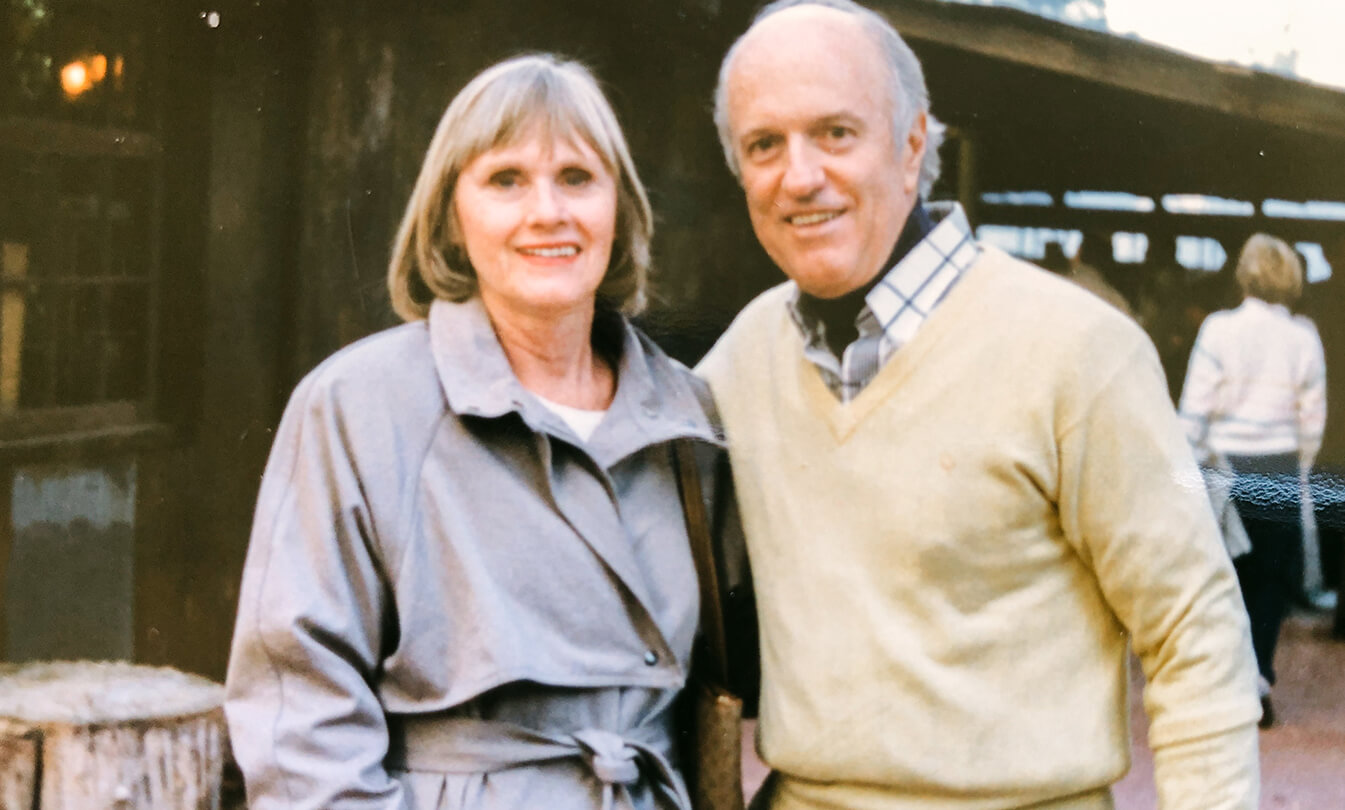
Bette and Robert “Bob” Finnigan. Together, they championed scientific research and philanthropic efforts which will support rare disease research at KGI.
Through their gift to KGI, the Finnigan family is extending that legacy to patients with rare diseases, many of whom face limited treatment options and little public awareness.
In a statement, the Finnigan family reflected on the personal experience that deepened their commitment to rare disease research.
“Our parents believed strongly in the power of science and research to change lives,” wrote Joan Finnigan, Patrick Finnigan, and Shawn Mackenzie, trustees of the 1990 Finnigan Living Trust. “After raising seven healthy children, our family faced a new reality when their granddaughter, Lily, was diagnosed with mitochondrial syndrome, a rare genetic disease in which the body’s cells cannot produce enough energy. Lily is unable to walk, talk, swallow, or sit up on her own. She has suffered multiple seizures and is fed through a feeding tube.
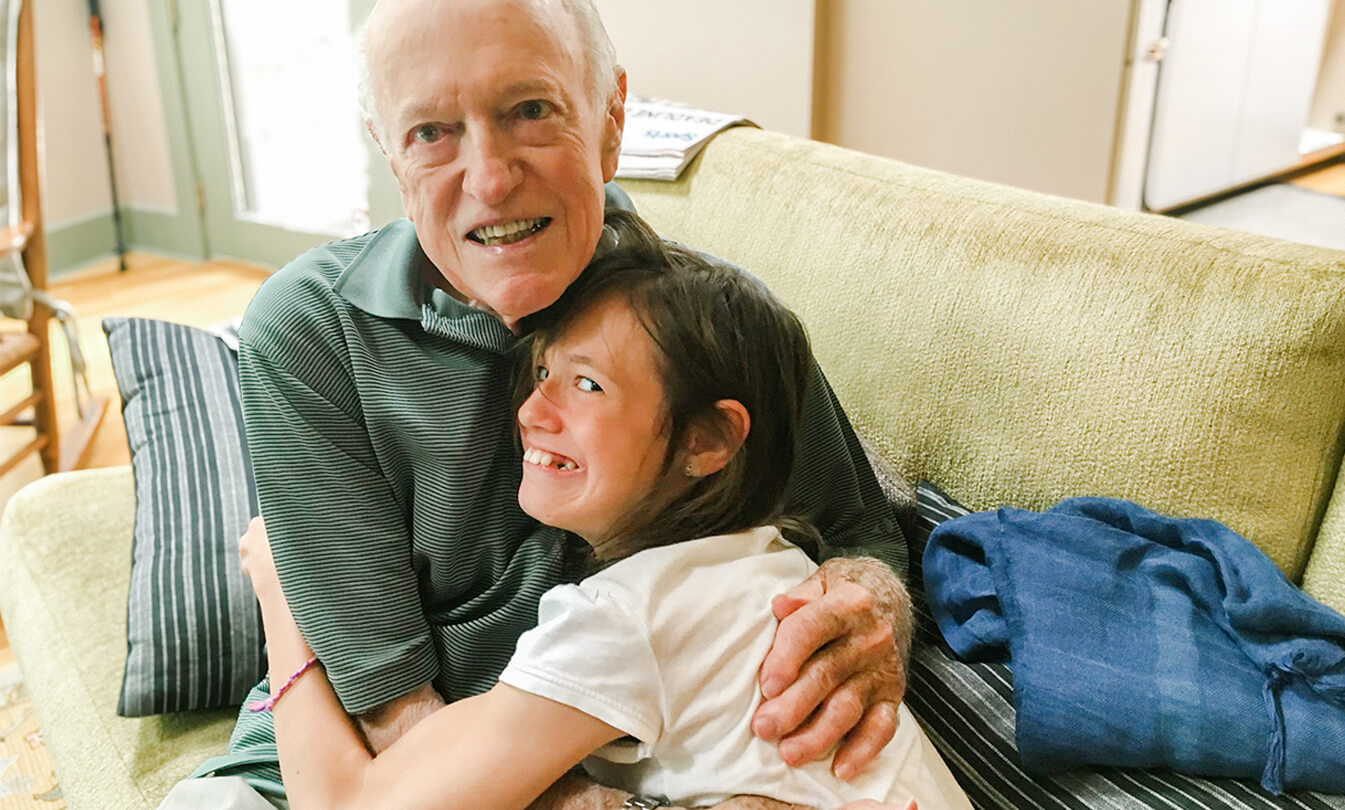
Robert “Bob” Finnigan with his granddaughter Lily. Lily’s diagnosis with mitochondrial syndrome deepened the family’s commitment to advancing rare disease research.
“Lily and our parents were incredibly close, speaking almost daily by FaceTime. Though she had difficulty speaking, her personality came through in her expressions and her eyes. Our parents hoped a cure might come in their lifetime. Through this endowment, we hope continued research will help make that possible in Lily’s.”
Rare Disease in KGI’s DNA
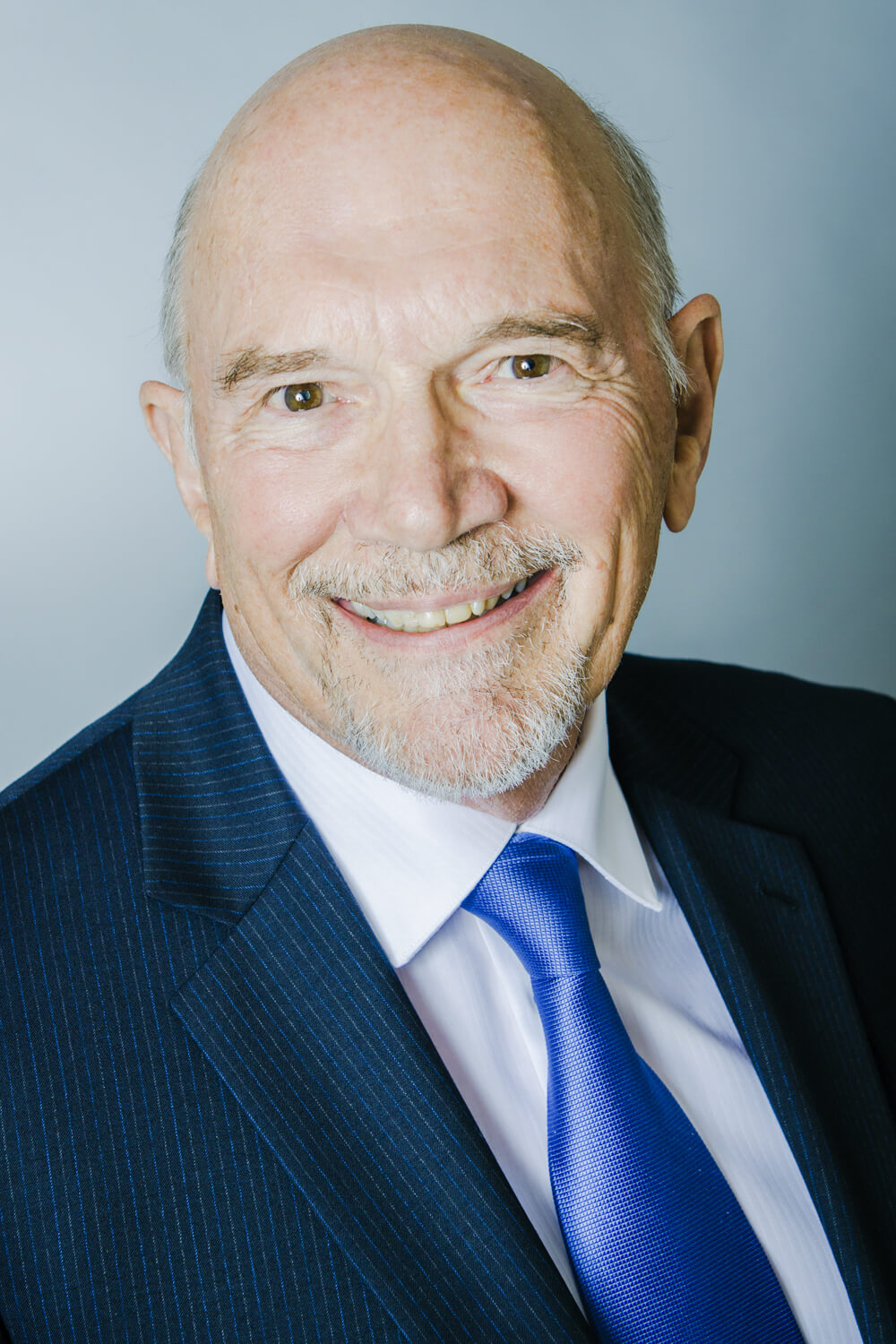
KGI’s engagement with rare disease dates back to its early years. Ian Phillips, professor emeritus and founder of KGI’s Center for Rare Disease Therapies, recalls how the Institute’s direction took shape.
A chance encounter with Dr. Timothy Coté, then director of the Office of Orphan Products Development at the U.S. Food and Drug Administration (FDA), sparked the idea of training students in the regulatory and scientific pathways required to bring treatments for rare conditions to market.
The collaboration led to coursework and team-based research projects focused on orphan drug development. Students analyzed rare diseases, proposed therapeutic strategies, and, in several cases, submitted applications to the FDA.
“Eight applications were approved without revision, and one project ultimately led to the formation of a company to test a drug students had identified in the literature,” Phillips said.
After retiring from the FDA, Coté joined KGI as a professor and later founded his own company in Washington, D.C., hiring a number of KGI graduates.
Phillips also credits former KGI President Sheldon Schuster with helping advance the Institute’s rare disease efforts. Schuster was an early and enthusiastic supporter, working alongside Phillips to raise funds that established the Center for Rare Disease Therapies and connecting the program with key partners and advocates.
Over time, rare disease education at KGI expanded beyond drug development into genetics, data analytics, pharmacy, and patient advocacy.
“Our history is a testament to how central rare disease has been to KGI since its founding,” said Barbara Fortini, director of KGI’s Master of Science in Human Genetics and Genomic Data Analytics (MSGDA) program. “We have a strong foundation to build on.”
Reducing the Diagnostic Gap
For many patients, the greatest hurdle is not treatment but diagnosis. Years of misdiagnoses, fragmented medical records, and limited clinical awareness often stretch what families call the “diagnostic odyssey.”
KGI’s MSGDA and Master of Science in Human Genetics and Genetic Counseling (MSGC) programs are designed to address that gap by equipping students with the tools to interpret genomic data and translate it into meaningful answers for families.
“The majority of our students are deeply motivated to help patients with rare diseases,” Fortini said. “Genetics plays a critical role in getting to a diagnosis and helping families understand what it means for them.”
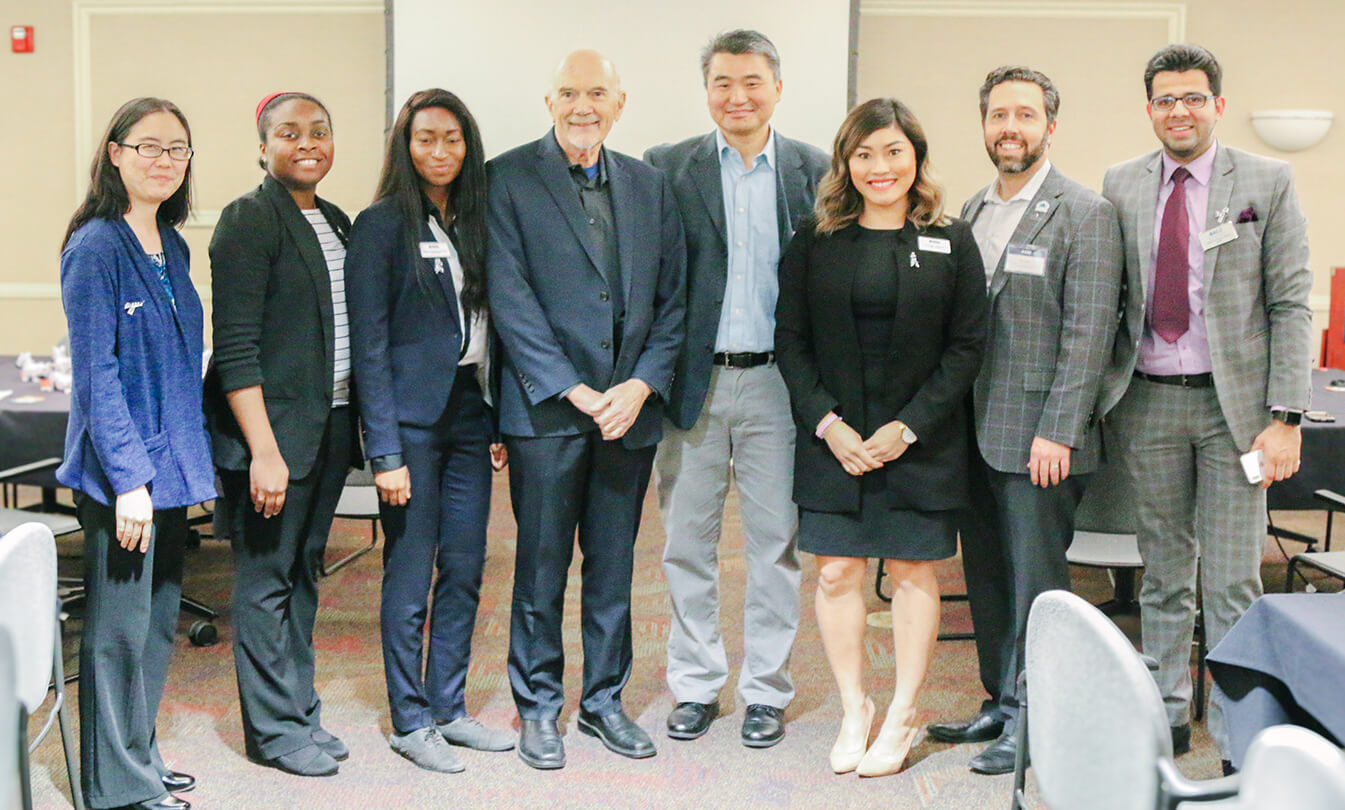
Ian Phillips (center) with Keck Professor of Biopharmaceutical Sciences Derick Han and students at KGI's Rare Disease Day event in 2019.
For Jessica Farmer Bugarin ’22, that mission became personal. Officially diagnosed with osteogenesis imperfecta (OI), also known as brittle bone disease, in 2024, she had long suspected an underlying genetic cause.
“When I was a student at KGI, I remember sitting in a medical genetics lecture on connective tissue disorders,” Bugarin said. “When I heard the symptoms — joint laxity, frequent fractures, short stature — I thought, this sounds exactly like my family.”
Despite her mother’s history of broken bones, no formal diagnosis had ever been made. At one point, her family was told that females could not have OI.
“I had doctors who had never heard of it, and others who dismissed my concerns,” she said. “I was fortunate that my training in genetics helped me advocate for myself. Many patients don’t have that advantage.”
Today, Bugarin is a senior curation scientist at Genomenon and an adjunct professor at KGI, where she teaches DNA sequencing and variant analysis using the same genomic tools she once learned as a student.
“Teaching the next generation of variant scientists is incredible,” she said.
From Project to Purpose
Not every rare disease researcher begins with a personal story. For many scientists, the connection starts with a single project that evolves into something more enduring.
Barbara Bailus, assistant professor of genetics whose work includes research on Angelman syndrome, said her path began during her doctoral training.
“You might start with a project,” Bailus said. “Then you attend a conference, meet patients and families, and suddenly the work feels very different. The rare disease communities are extraordinary, and each one has its own story. Once you connect with them, you’re invested.”
That sense of connection shapes motivation.
“It’s not the publication that gets you up every day to go in and play with your pipettes,” she said. “It’s knowing the work could make a difference for someone.”
Student Leadership and National Reach
KGI’s student chapter of the National Organization for Rare Disorders (NORD) further amplifies awareness and engagement. The organization hosts industry speakers, supports student research and publication efforts, and organizes KGI’s annual Rare Disease Day event, held in recognition of National Rare Disease Day.
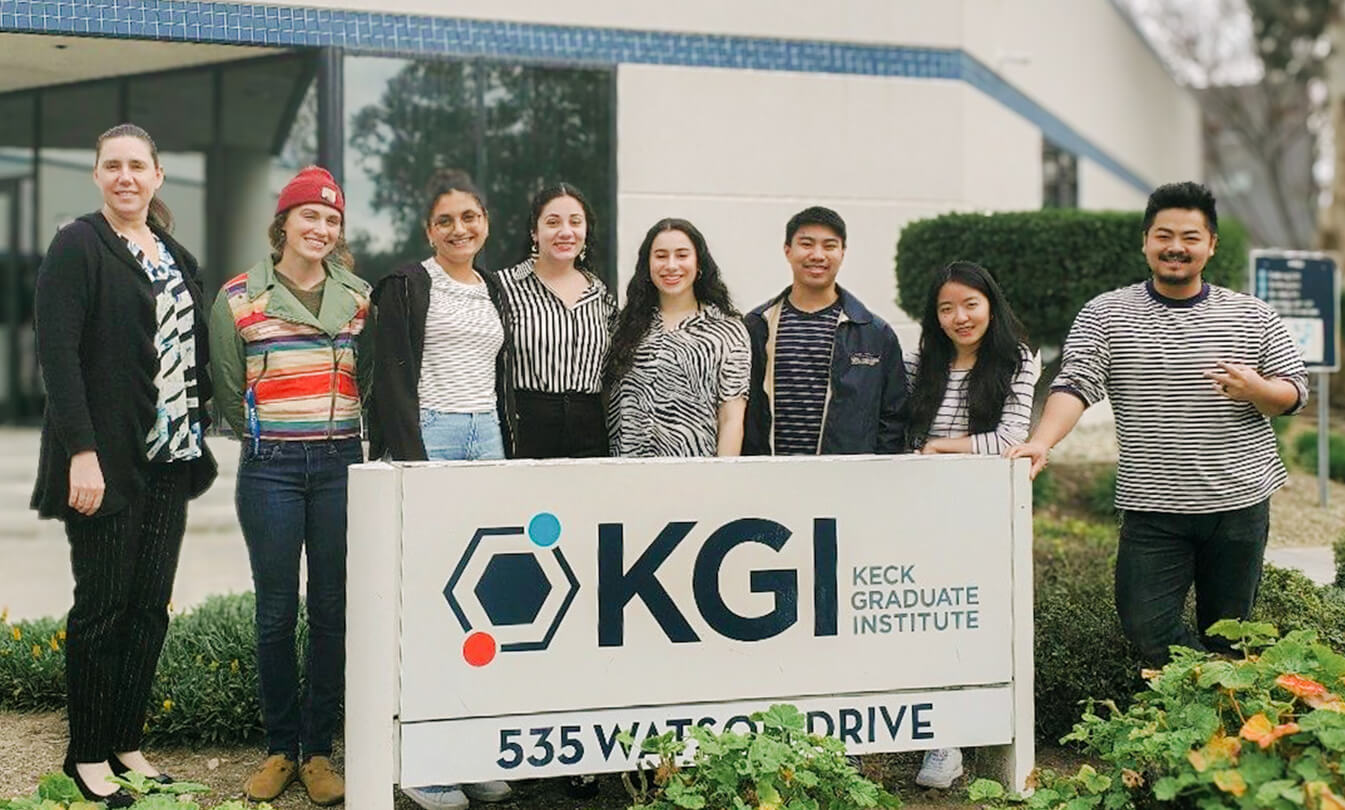
Previous NORD club members with MSGDA Program Director Barbara Fortini (left).
The event, which will be held on March 7, brings together patients, advocates, researchers, and industry professionals to share perspectives and foster collaboration.
Jillian Hook ’26, an MSGDA student and president of the chapter, said the Finnigan endowment represents a meaningful investment in the field.
“Rare diseases can be overlooked because each one affects a relatively small population,” Hook said. “But collectively, millions of people are impacted. This gift helps ensure the research moves forward.”
For Hook, her involvement in NORD has clarified her own goals.
“Hearing patients’ stories solidified my interest in working on clinical trials for gene editing and gene therapies in rare disease,” she said.
A Long-Term Investment in Discovery
As advances in gene therapy, precision medicine, and genomic analytics accelerate, the Finnigan Endowment positions KGI to respond with agility. The fund will support seed grants, conference travel, new equipment, and emerging research directions for years to come.
“Turning some of our brightest minds at KGI toward rare disease will benefit the entire field,” Bailus said.
For Fortini, the enduring nature of the gift carries particular significance.
“It’s an honor to be entrusted with carrying this work forward indefinitely,” she said.
While individual conditions may be rare, the need for answers is widespread. With sustained support from the Finnigan family, KGI’s commitment to shortening the diagnostic odyssey and advancing rare disease research is built not for a single project, but for the long horizon ahead.
You can play a role in accelerating that progress. Go here to learn more about supporting KGI’s rare disease initiatives.