The biotechnology and healthcare industries are moving faster than textbooks can keep up, creating a gap between many graduate-level curricula and the skills needed for the professional world.
At Keck Graduate Institute (KGI), we address this challenge by offering you the chance to work with industry and healthcare partners, make deep connections, and join a thriving community of innovative leaders. Everything you do during your time here equips you to improve patients’ access to medical care and resources. Explore five reasons to pursue your graduate education at KGI.
Experiential Learning
Keck Graduate Institute launched its pioneering Master of Business and Science (MBS) in 2000 to help motivated students find employment in business and the applied life sciences. Today, we offer over 20 graduate programs that allow you to partner with industry-leading companies. You don’t have to wait until you graduate to advance research, connect with patients, and solve problems.
Before I went to KGI, I didn't even know that the industry existed in the way that it does … I was just going to be a professor. KGI really exposed me to a lot of interesting and unique opportunities through projects where you actually work with real companies.
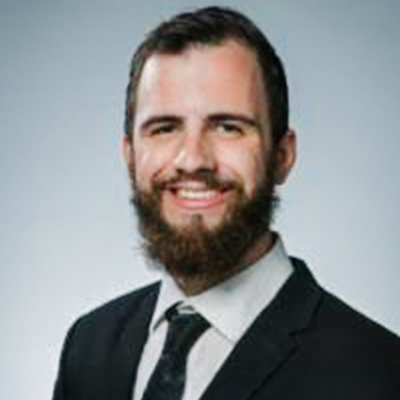
'19 MBS
Pharmacists have so many different opportunities – pharmaceutical industry, clinical pharmacists in hospitals that help physicians make decisions – and KGI offers all those different opportunities to help you get there. I think KGI really helps you discover what really motivates you and see what’s the right path for you.

Shaherezada Ismatova
'26 PharmD
At KGI, you have opportunities to collaborate with visionaries from companies such as Amgen and AbbVie. As a healthcare student, you can access immersive experiences in hospitals and clinics. If you pursue biotechnology or the applied life sciences, you get the chance to conduct research or develop technologies that align with your passions and build strong professional connections.
We offer industry opportunities in two core areas:
- Team Master’s Project (TMP)
- Industry Tracks
Team Master’s Project
The industry-sponsored Team Master’s Project pairs you with a biotechnology, pharmaceutical, or medical device company to tackle their current business challenges. Since 2002, more than 140 partners have worked with us on over 400 projects.
In this partnership program, you join a team of students and a KGI faculty advisor to work on projects such as:
- Designing and prototyping medical devices or subsystems
- Presenting an optimization strategy for current processes
- Creating early-warning systems for emerging diagnostic technologies
- Building software for protein and peptide analysis
- Developing an AI-assisted quality control
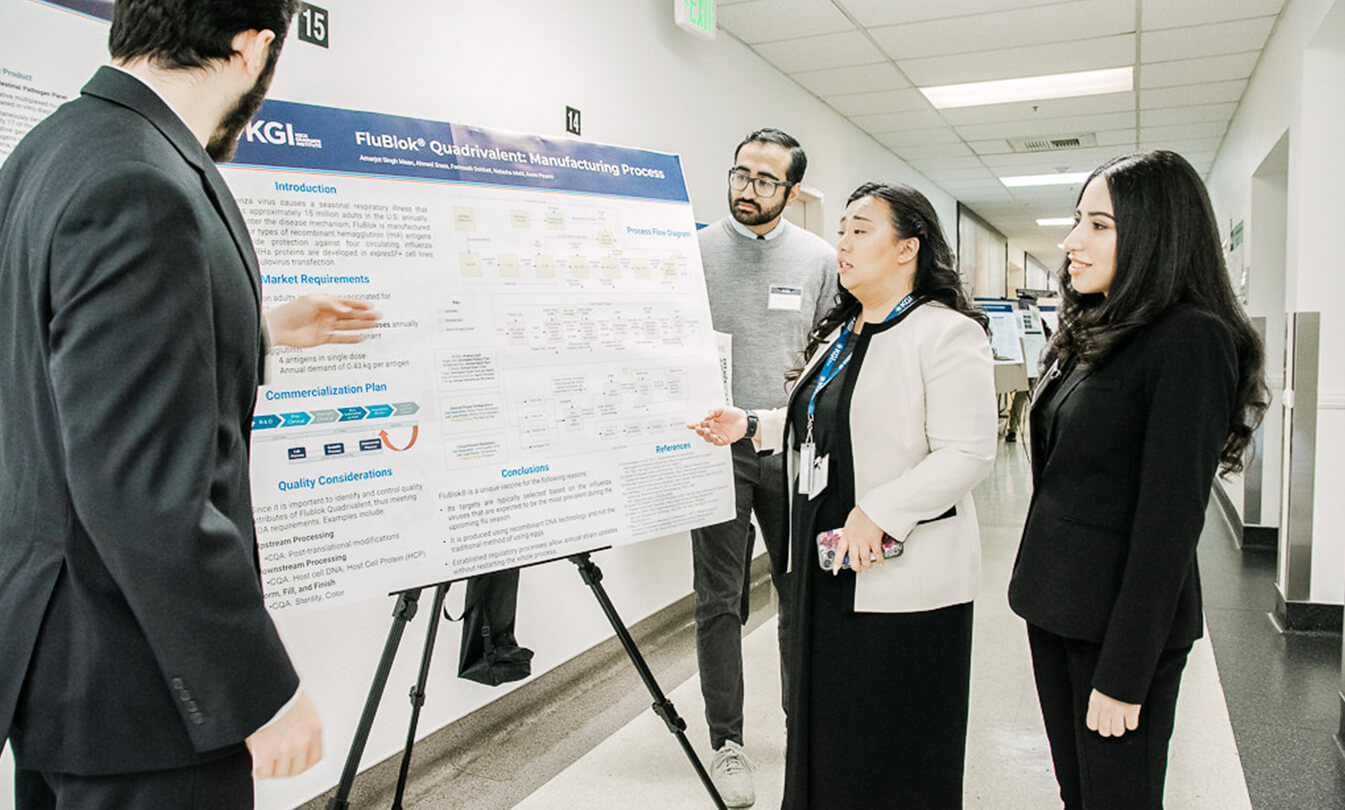
For example, alumna Anjali Vahalia partnered with Merck to evaluate a method to increase access to medicine in underserved regions. During her TMP, she aligned her work with the company’s environmental, social, and governance (ESG) goals and gained meaningful insights into the role of global supply chains in health equity and sustainability. This project exposed her to a new part of the industry, propelling her into a career as a Senior Product Strategist at Simon-Kucher.
Industry Tracks
The Master of Science (MS) and Doctor of Philosophy (PhD) in Applied Life Sciences programs each offer an industry track, with the PhD program offering an option to conduct research and the MS program engaging students in a TMP on behalf of a sponsoring biotechnology or pharmaceutical company. During this experience, you work alongside both a KGI faculty advisor and a company advisor. Tuition for the PhD is at least partially covered by the sponsor or employer.
In the MS Industry Track, you can further customize your education by choosing one of these six concentration options:
- Biotechnology
- Clinical Research
- Infectious Diseases
- Translational Research
- Public Health
- Community Medicine
Industry Advisory Boards
Our industry advisory boards bring corporate professionals into KGI’s curriculum development and strategy conversations. Representing companies like Pfizer, Medtronic, and Optum Healthcare, they improve the curriculum for each degree program and create new opportunities for you to connect with companies in your field of interest.
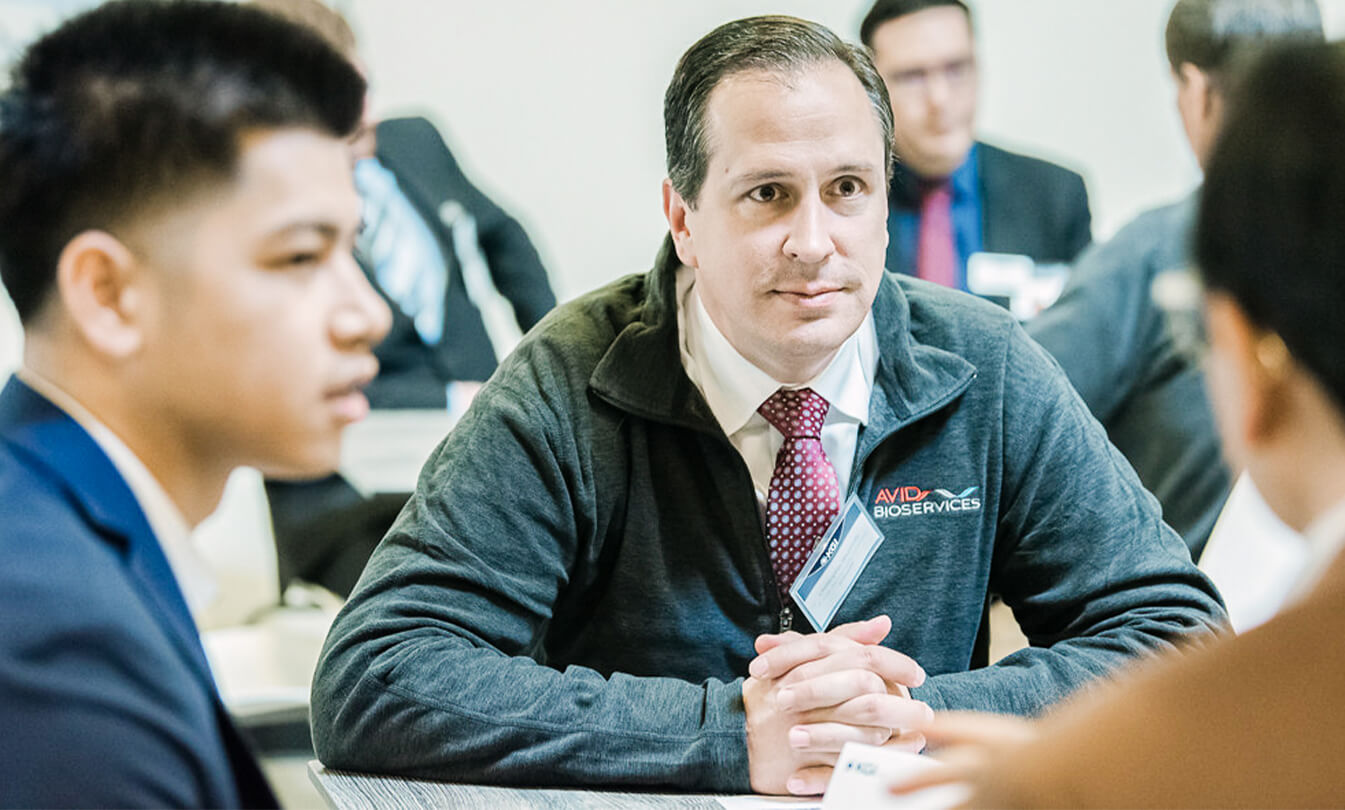
Industry leaders join any of our three advisory boards:
- Amgen Bioprocessing Center Advisory Board (ABCAB)
- Bioscience Industry Advisory Board (BIAB)
- Healthcare Industry Advisory Board (HIAB)
Collaborate with dedicated faculty members, industry partners, and other students across four research centers and 13 laboratories. Our research areas include:
- Biotechnology and Pharmaceuticals Development
- Bioprocessing
- Medical Diagnostics and Devices
- Systems and Computational Biology
- Business Management
Learn more about KGI’s research opportunities.
Develop Angelman Syndrome Therapeutics in Dr. Bailus’ Lab
Our assistant professor of genetics, Dr. Barbara Bailus, received a $500,000 New Investigator Grant from the Foundation for Angelman Syndrome Therapeutics (FAST). Over two years, the grant supports her lab as they identify three cell-penetrating peptides to carry a protein across the blood-brain barrier. They hope to activate the UBE3A gene without the need for a direct drug injection into the brain.
As a researcher, teacher, and mentor, Dr. Bailus shares that she loves to include students in every stage of the process. At KGI, you could join professors like her to learn research best practices and make meaningful discoveries.
This is a very exciting project that could change the landscape of drug delivery for neurologic disorders … There are many companies and stakeholders that are very much looking forward to the results of this study.
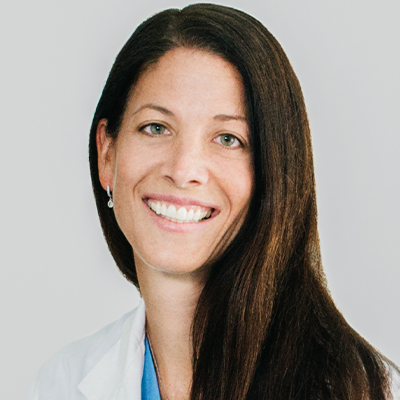
Dr. Allyson Berent
Chief Science Officer at FAST
Amgen Bioprocessing Center
The Amgen Bioprocessing Center (ABC) aims to create education, research, and collaboration opportunities within the biopharmaceutical and biomanufacturing industries. More than 90 percent of ABC’s projects offer you a chance to collaborate with and learn from professors like Dr. Gargi Ghosh and professionals who are often also members of the ABCAB.
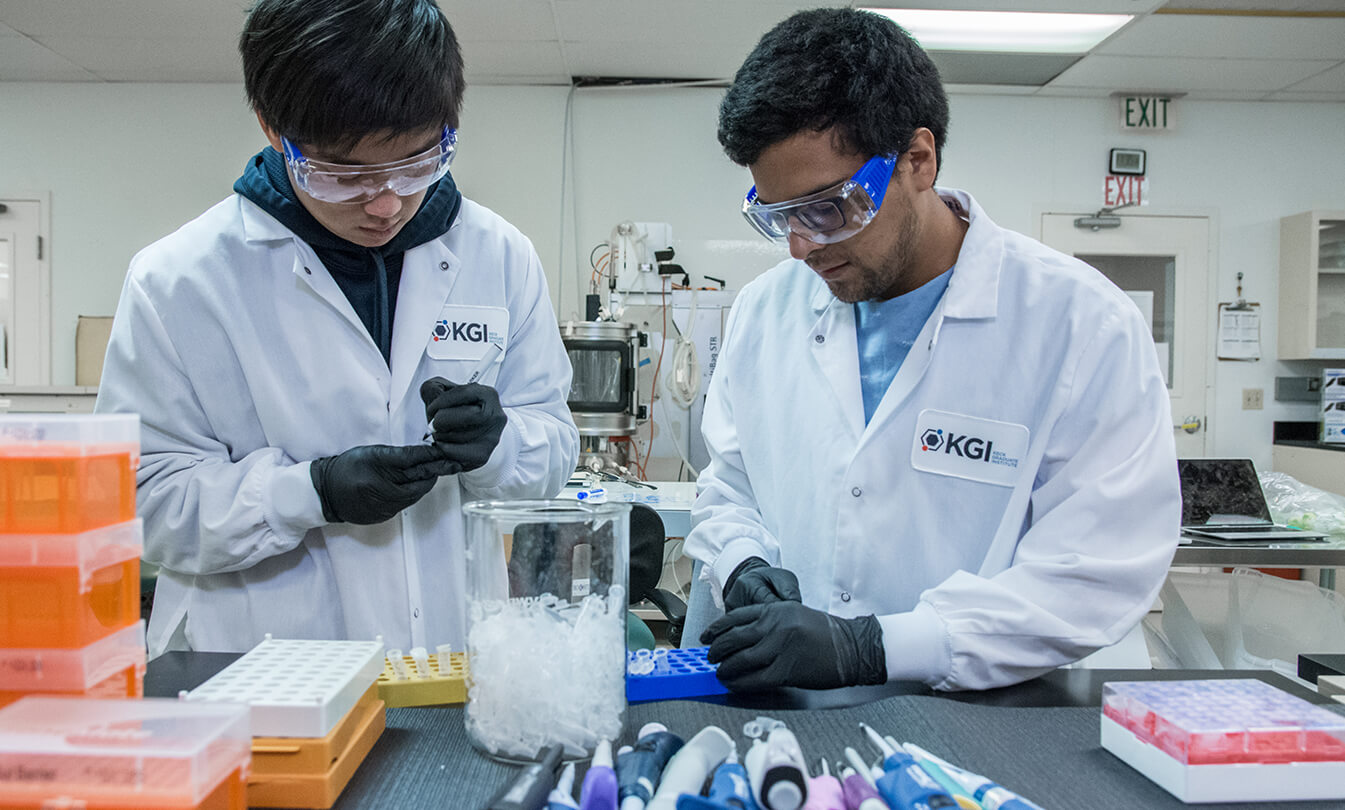
Recently, students and faculty from the ABC presented a groundbreaking study at the American Institute of Chemical Engineers annual meeting in Boston, Massachusetts. Their research focused on developing upstream and downstream processes for the adeno-associated virus delivery vector to make gene therapy more affordable.
We offer you strong clinical connections, especially as a student in the Schools of Health Sciences and Pharmacy. We maintain close partnerships with hospitals, clinics, and community medical centers in California and around the nation.

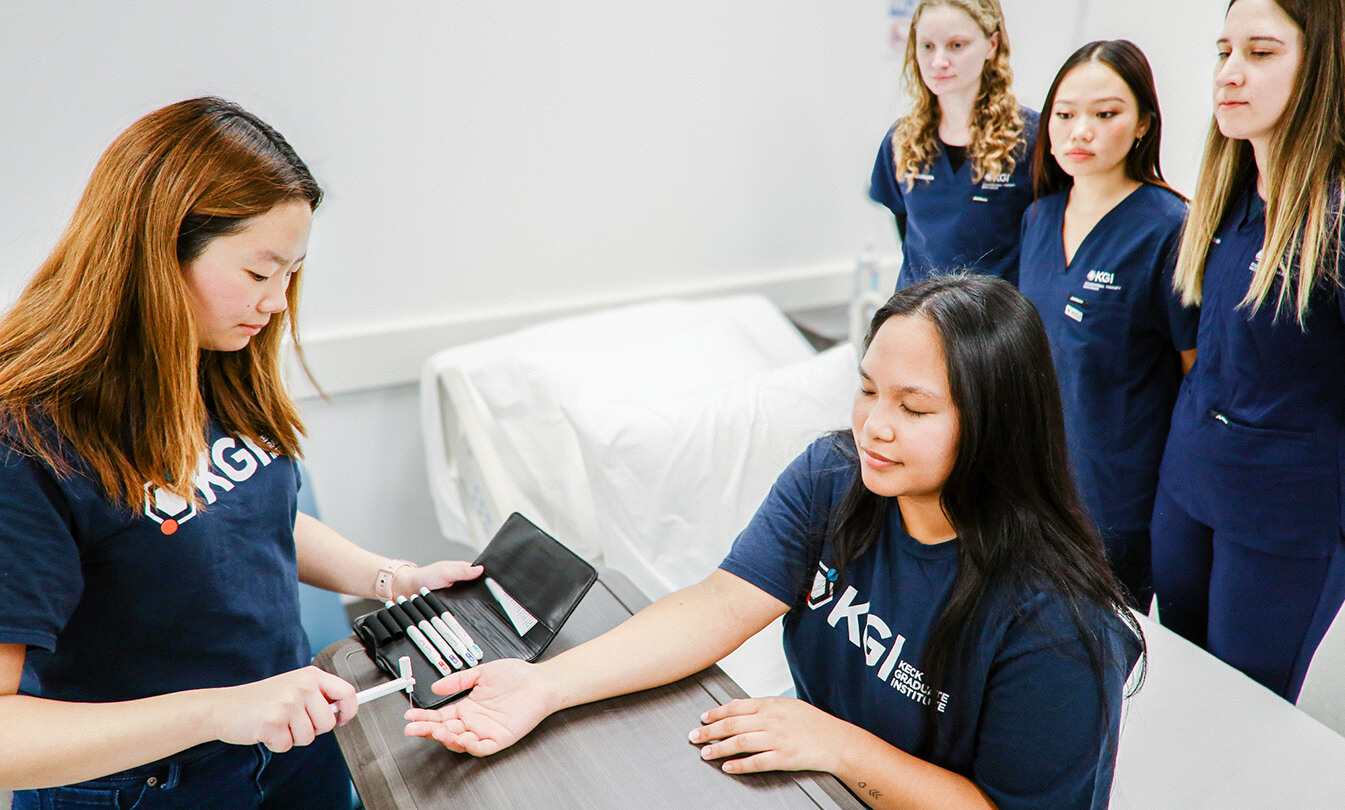
As a Doctor of Pharmacy (PharmD) student, you manage dosages in elective areas such as cardiology, oncology, or psychiatry. Our Occupational Therapy Doctorate (OTD) places students in hospitals, outpatient clinics, and schools, where you actively participate in every part of the treatment process. Through these opportunities and more, you gain skills and build relationships that propel you into a successful career.
Capstones at KGI challenge you to address local health needs. We offer you a completely immersive learning environment at an approved organization in your own community, in the United States, or even in another country.
In addition to the degrees that feature a TMP, all of these programs include a capstone experience:
- Doctor of Health Science (DHSc)
- Doctor of Medical Science (DMSc)
- Master of Biotechnology Management (MBM)
- Master of Engineering in Biopharmaceutical Processing (MEng)
- Master of Health Administration
- Master of Science in Human Genetics and Genomic Data Analytics (MSGDA)
- Master of Science in Medical Device Engineering (MSMDE)
- Master of Science in Pharmaceutical Sciences (MSPS)
- Master of Science in Population Health Sciences (MSPHS)
- Occupational Therapy Doctorate
Project Remission
OTD student Ana Melchor appeared in a national digital documentary series titled Project Remission because of her capstone project.
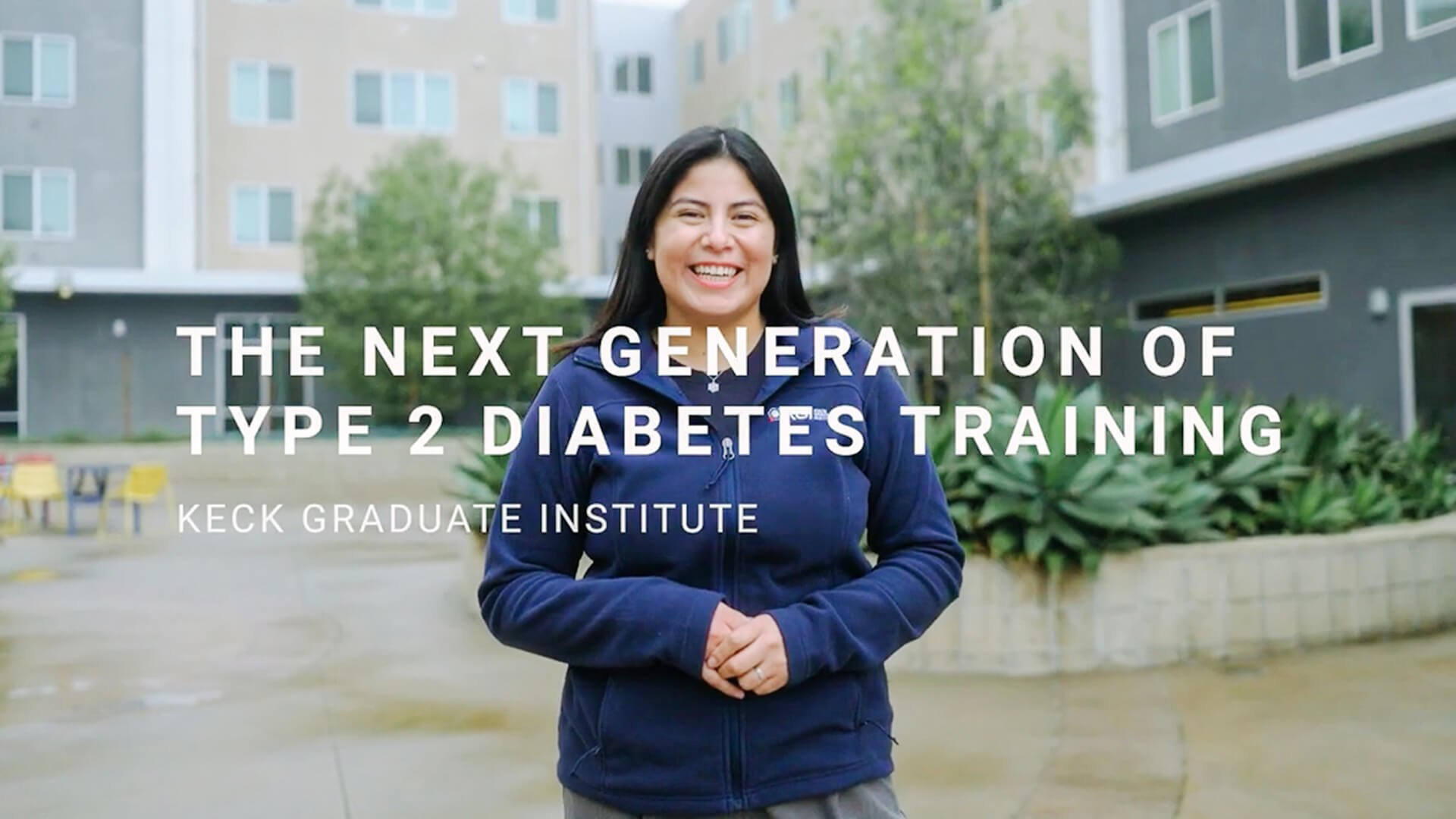
The series follows her as she works to educate the Latino community about treating and reversing Type 2 diabetes with lifestyle medicine, which is a specialty that focuses on how a patient’s lifestyle affects long-term disease processes. Her project seeks to understand perspectives and support positive change among populations living with chronic conditions.
Project Remission VideoMSGDA Capstone Projects Lead to AI Professorship
Recently, KGI faculty member Barbara Fortini was selected for the five-year Fletcher Jones Foundation Professor in Artificial Intelligence in the Biosciences professorship, where she leads our institute’s strategic initiative to embed responsible AI inquiry into education and research.
As the MSGDA program director and the director for the Center for Training in Applied Genomics, Fortini first discovered the role of AI in genomics when multiple students used their capstone projects to assess artificial intelligence tools. They inspired her to learn more about the ethical implications of these technologies in clinical care and research.
When you complete a capstone project at KGI, your work can continue to influence the applied life sciences long after you graduate.
Vibrant and Interdisciplinary Community
Here, you create devices, conduct research, and complete rotations focused on the whole person rather than just the disease. We improve outcomes in underserved populations. Our students and faculty develop drugs in tandem with patient care. We research new therapies for neurodegenerative diseases such as Alzheimer’s to help individuals live longer, healthier lives.
In addition to our patient-facing programs, we prepare you to improve community well-being through:
- Data Analytics
- Research
- Medical Diagnostics and Devices
Programs like our Master of Science in Human Genetics and Genomic Data Analytics and Master of Science in Population Health Sciences provide valuable training in genomic and population health data analytics. These degrees teach you to leverage the volume, velocity, veracity, variety, and value of big data to support healthcare practitioners and organizations, ultimately enhancing patients’ experiences.
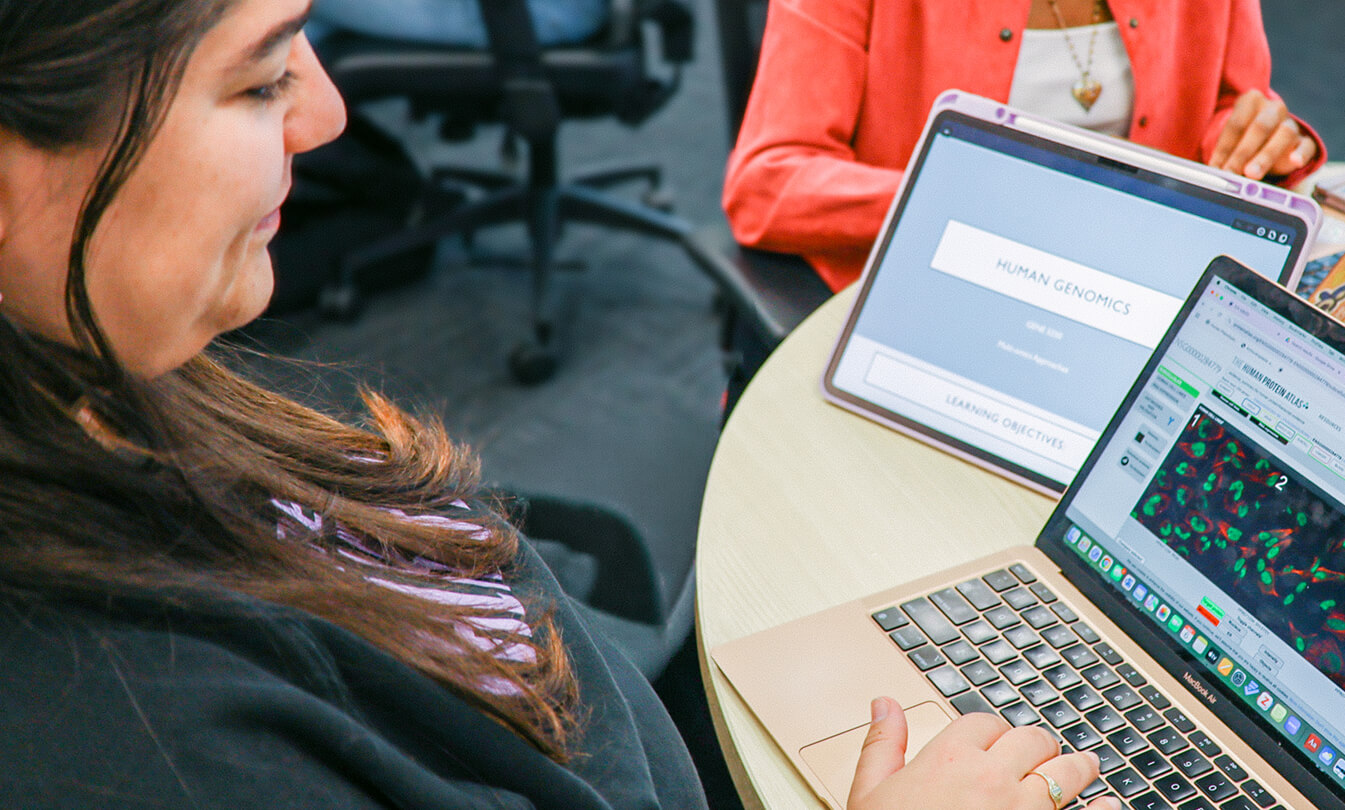
The MSGDA takes a patient-centric approach by offering a:
- Clinical Concentration: By the end of your first year, you choose one of three focuses, including clinical decision support, where you learn to help clinicians interpret patient data to deliver personalized care.
- Industry-Sponsored Project: You choose to either complete a research thesis or a capstone project, where you can partner with a genomics company to impact the development of next-generation therapeutics.
In our MSPHS, you connect with patients by learning to improve health equity and healthcare delivery. Through two capstones, you deepen your understanding of individuals’ experiences around the world. The program transforms you into a more effective advocate for these populations.
At KGI, our professors and students drive exceptional innovations in biotechnology and healthcare. Often, those discoveries begin with a particular patient.
For example, we recently received a $1 million gift from the Finnigan family to advance rare disease research in honor of the late Robert Finnigan, a pioneering biomedical engineer and entrepreneur. For students and alumni like Jessica Farmer Bugarin, who lives with osteogenesis imperfecta, our mission to improve the diagnosis and treatment of rare diseases holds personal meaning.
Others, such as Dr. Bailus, persevere through each part of the process because of the patients they met during their training.
You might start with a project. Then you attend a conference, meet patients and families, and suddenly the work feels very different. The rare disease communities are extraordinary, and each one has its own story. Once you connect with them, you’re invested.
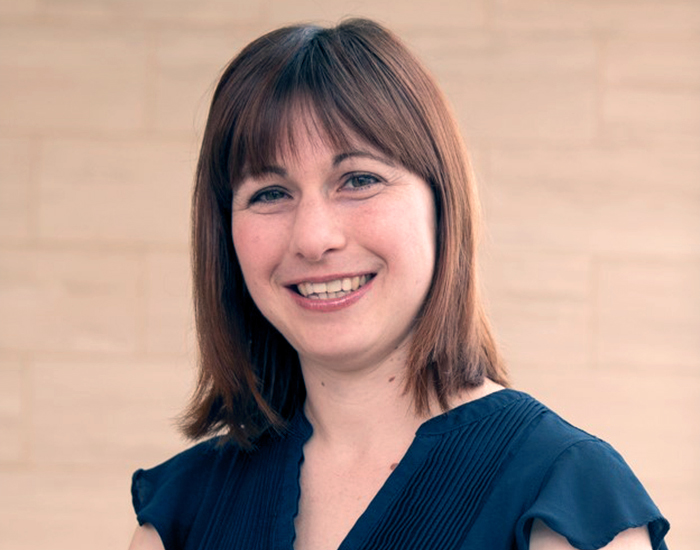
Dr. Barbara Bailus
Assistant Professor of Genetics at KGI
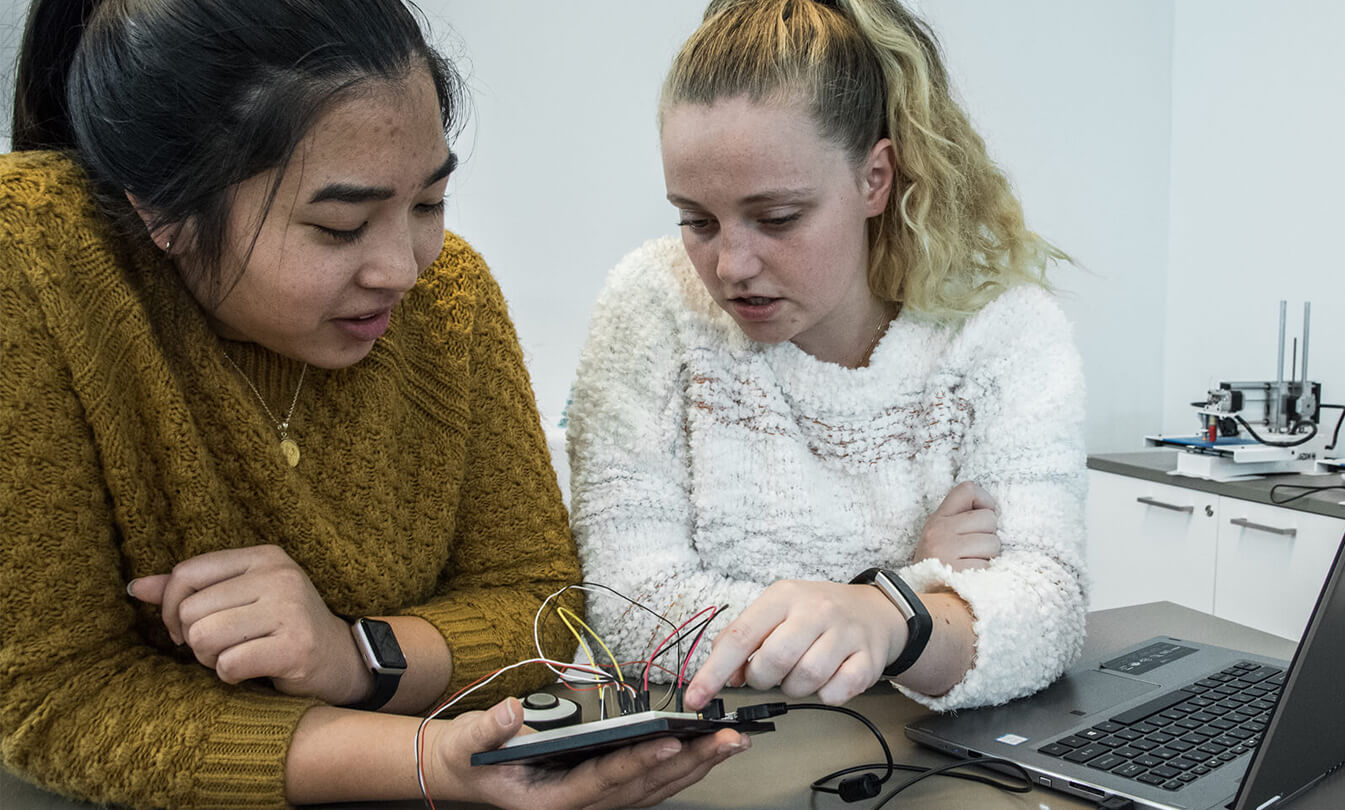
At KGI, you shape cutting-edge medical technologies, devices, and diagnostics. The team projects and capstone experiences available in degrees like the Master of Science in Medical Device Engineering connect you with leading companies, such as Oasis Medical, Inc., a manufacturing company partnering with students to develop new microneedles for retinal surgery.
In another recent TMP, KGI researchers informed Alexion Pharmaceuticals’ development process by centering future subcutaneous (SC) drug delivery solutions on patient needs. The team evaluated complaints about recalled syringes, autoinjectors, and pen injectors while exploring new technologies designed to deliver more than 5 milliliters subcutaneously.
Their insights helped Alexion refine its approach to high-volume SC delivery, opening the door to self-administration options for oncology, palliative, and diabetic patient populations.
All Completed Team Master’s ProjectsPatient-Centered Focus
Truly serving the patient requires collaboration with professionals from many different fields. We create a collaborative environment throughout a student’s time at KGI. During orientation, students participate in an interdisciplinary day, where they engage with fellow classmates in other programs to build connections that will last past their time on campus. Many of our programs also offer interprofessional workshops, where cohorts collaborate with each other to reinforce how they will work together throughout their careers.
As an aspiring scientist, business analyst, or clinician, you learn to work across specialties through more than 30 student organizations. We offer groups by career path and by nationality, race, or gender orientation. You can also unwind with other students through the KGI basketball, running, or gardening clubs.
The KGI Students for Rare group is the inaugural NORD chapter at a higher education institution, and the organization now maintains more than 70 active clubs nationwide. Our chapter provides students with opportunities to publish research, speak with patients during general meetings, and explore alternative career options, leading to roles such as clinical variant curator or medical science liaison.
This is an opportunity open to anybody … it’s really impactful because we might see something one way, but someone in pharmacy or PPA might see it another way, and I think it’s important to talk about those perspectives and see where we can align ourselves.
'26 MSGDA
For students far from home, PASU is a unique opportunity to immediately find a deep sense of belonging. Established to foster academic, mental, professional, and even spiritual diversity, the club exists to integrate international students into our Beaker Bee community.
The group meets regularly to help classmates, learn from inspiring guest speakers, and enjoy spending time together.
It made me feel like I’m still home in America while I’m not home with my family.
'25 MBS
High Return on Investment
Ninety percent of our graduates secure full-time employment within six months of completing their education at KGI. Many go on to work directly with patients, create solutions to biotechnology and healthcare problems, bridge the gap between business and science, or teach the next generation of young leaders. Our graduates often find themselves in influential positions, such as Daniel Yeung, who is the Global Program Manager in Molecule Product Development at Genentech.
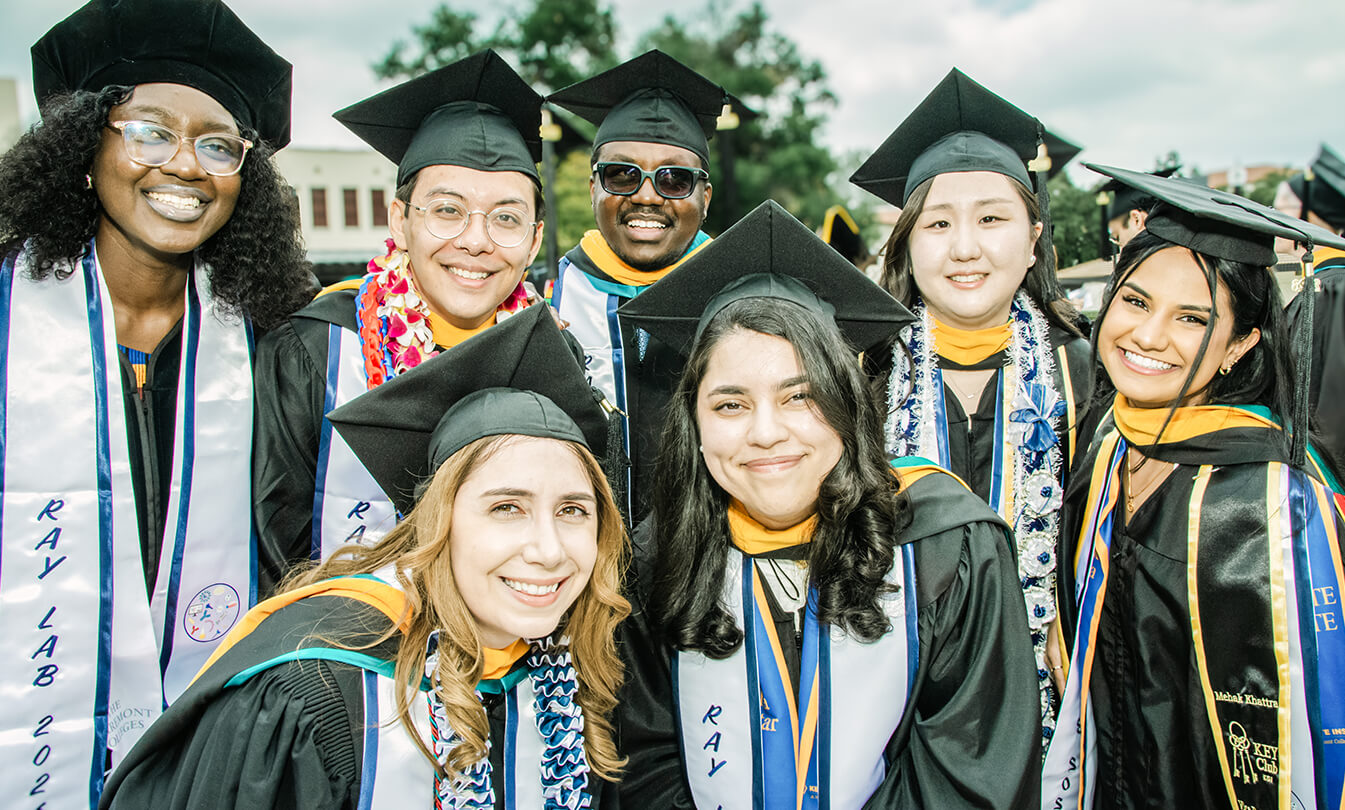
KGI also ranked in the top three master’s degree programs in the nation for 2025. We attribute part of this achievement to the high-quality education and faculty mentorship that are integral parts of the education journey here. 90% of KGI graduates have a full-time position or enter an advanced degree program within six months of graduating (based on alumni reports and may vary by program).
KGI has been instrumental to my career development. This is where I first learned about all the principles of bioprocessing, how you can apply these in a career in biotechnology, and how you can also develop those skills … where you are contributing to patients’ lives.

Process Development Principal Scientist, Amgen
MBS Alumni and Entrepreneur Develops Blood Rejuvenation System
Samet Yildirim graduated from KGI with a Master of Business and Science in 2013. Since then, he has helped launch multiple startups and is now the chief business officer and co-founder of HexemBio, which aims to reverse aging and extend lifespan through advanced stem cell therapy.
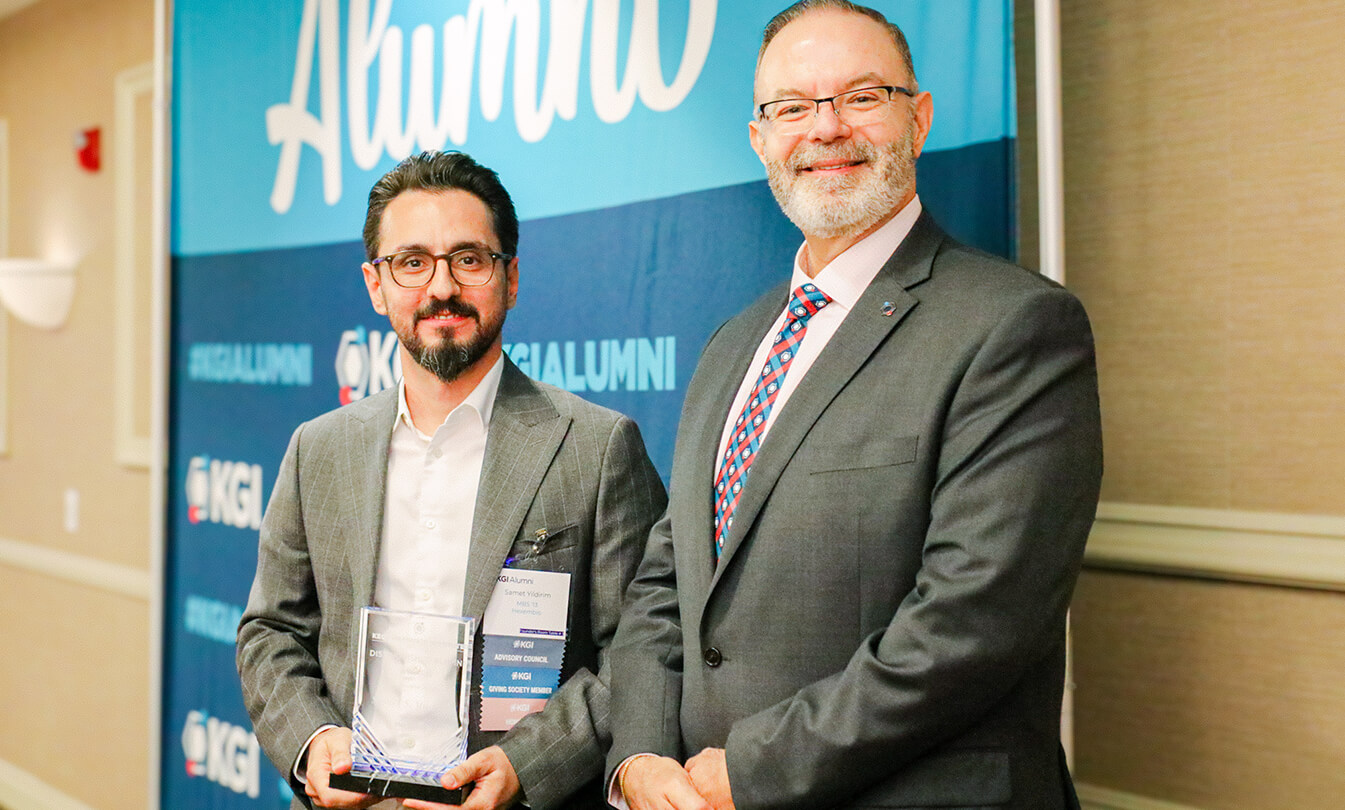
HexemBio traces the inflammation that causes aging back to hematopoietic stem cells (HSCs) in the bone marrow. As HSCs mature, they shift output away from lymphoid cells, weakening protection against cancer, inflammation, and infection. Yildirim’s company returns aged stem cells to a developmental environment, allowing them to recover before reintroducing them to the patient through a standard IV.
Yildirim credits KGI for pushing him outside of his comfort zone and developing him into a leader and a mentor. His TMP experience so impacted him that he has sponsored more than 15 projects, and he shared that the creativity and intelligence of KGI students have added significant value to his company, even resulting in published patents in some instances.
You will never regret coming to KGI … Every step in my professional life, KGI has been behind me—connecting me with job opportunities, investors, advisors, mentors, and collaborators—and supporting my ventures.
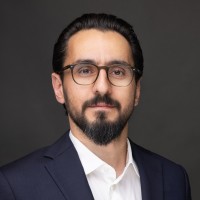
Co-founder and Chief Business Officer, HexemBio
Growing Alumni Network
Known as Beaker Bees, over 3,000 KGI alumni support each other and current students, often helping them gain internship and career opportunities. Some professionals, like Ravneesh Sachdev, who graduated with his MBS in 2006, have also returned to serve on the Board of Trustees, where they use their industry expertise to enhance the education and experience for the next generation of leaders.
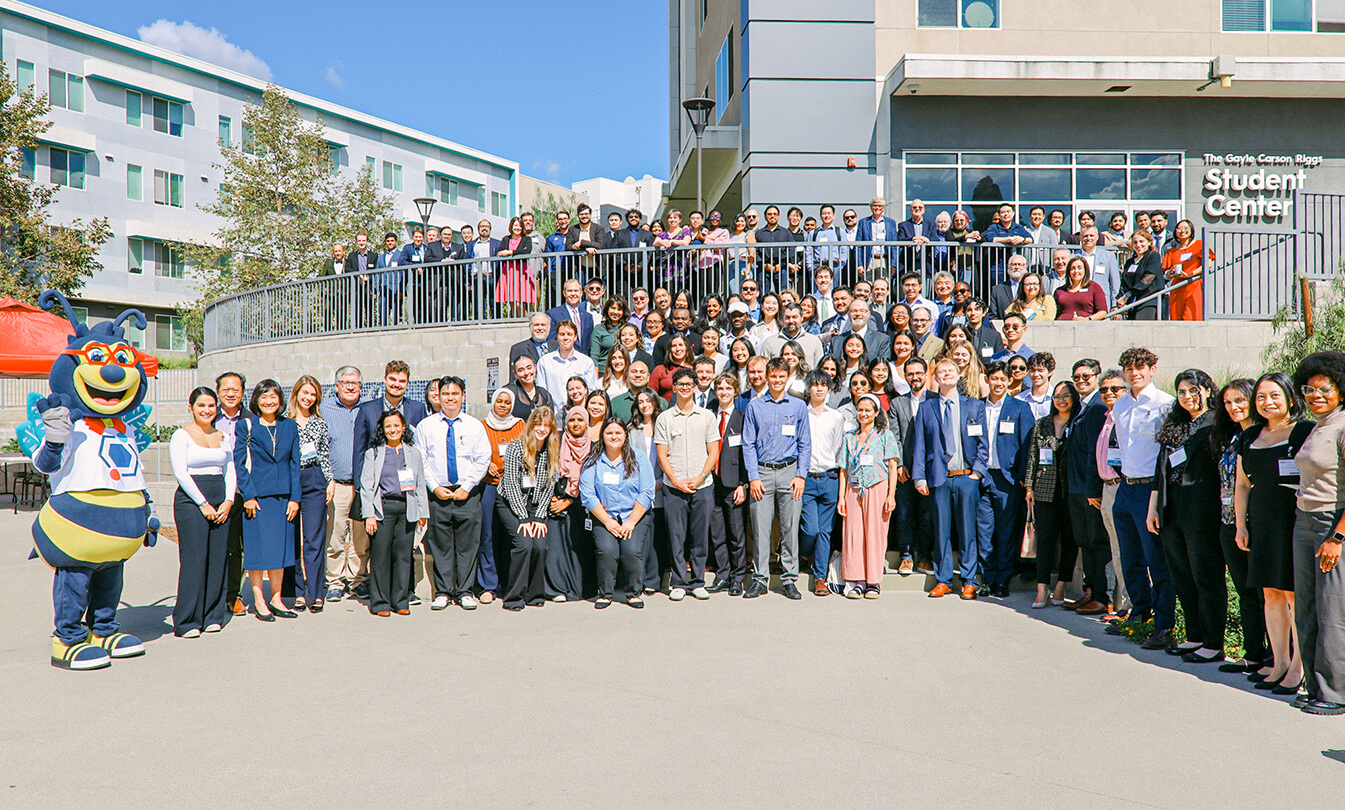
When you join our alumni community, we:
- Celebrate your accomplishments through our Distinguished Alumni Awards
- Offer volunteer opportunities for student mentorship and industry panel participation
- Host events to reunite with other KGI graduates and learn about their work
- Represent your perspective through the Alumni Advisory Council
Learn more about how to get involved with our alumni network.
Launch Your Career at Keck Graduate Institute
Through our membership in The Claremont Colleges, KGI provides you with both the personalized mentorship of a small school and the networking opportunities of a larger university ecosystem. This unique combination enables us to offer highly industry-relevant graduate programs and projects that serve the needs of local, national, and international patients.
If you're looking to discover the right path for your career, pioneer new medical solutions, or train in an environment that keeps up with the ever-changing trends of biotechnology and healthcare, join the KGI community.